Wrestling with questions of culture while trying to communicate the Gospel faithfully… another story from life in the village.
Koyala, Sunday April 7, 2013
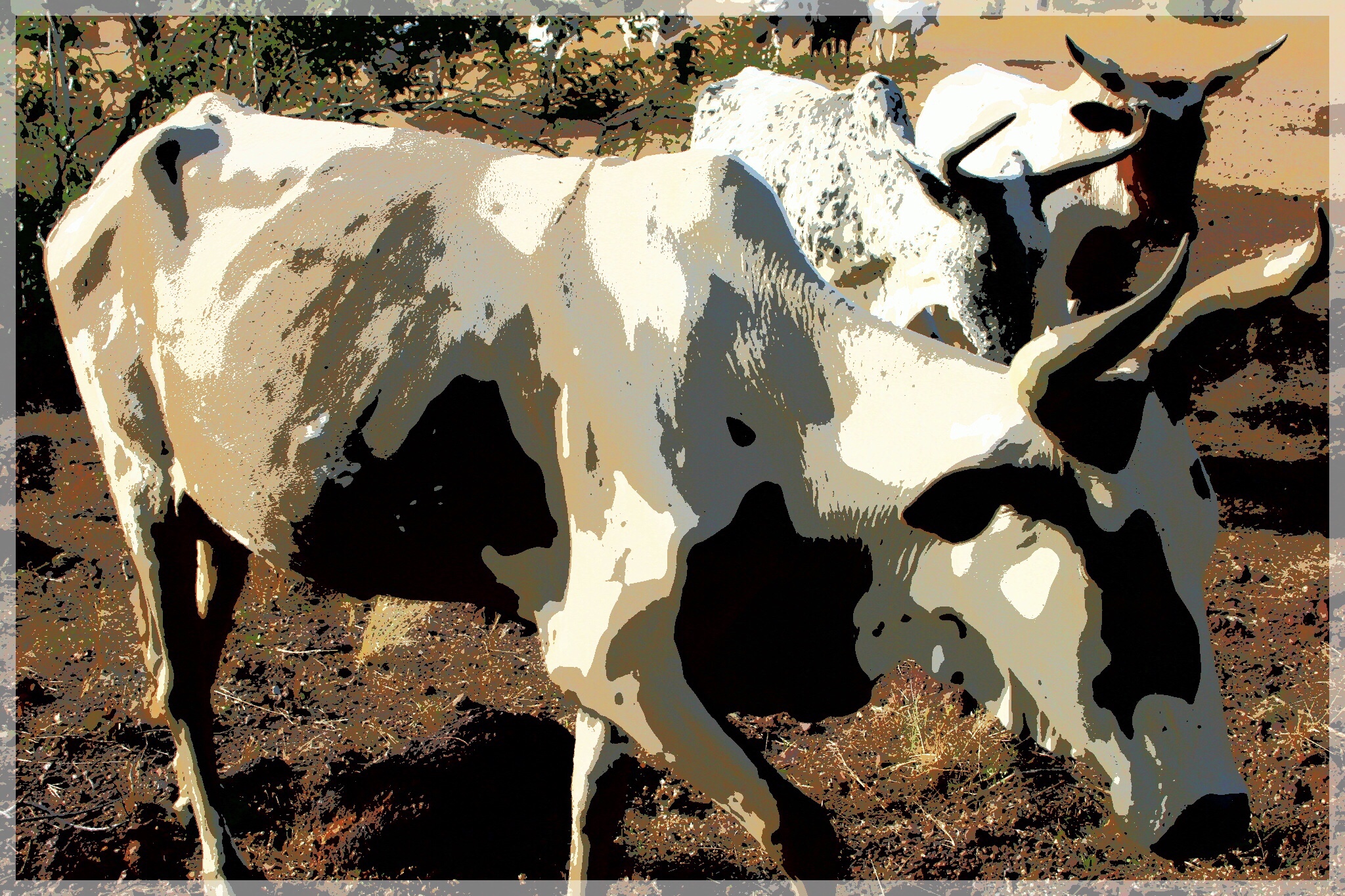
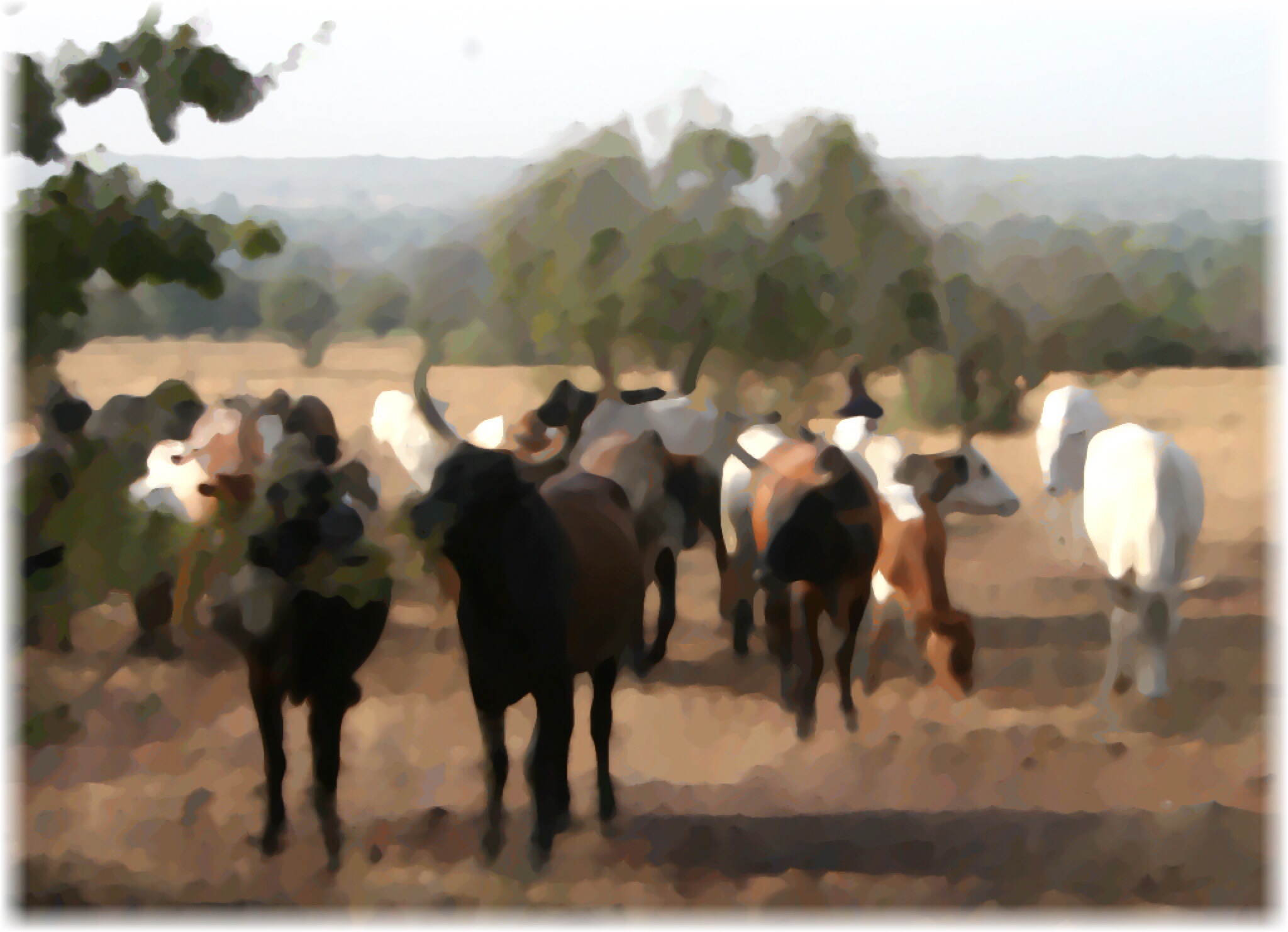
We had a somewhat lengthy discussion this morning about what to do with meat that’s been sacrificed to idols. It wasn’t simply an abstract discussion – the meat in question was sitting on the crudely built wooden table right in front of us, where we had enjoyed our morning tea and then later placed our Bibles during our Sunday morning worship time. It was a sizable portion of fresh beef that a man from the village had delivered to us during that same time of worship. The old village chief just died, and today is the funeral. A central part of every such event is the sacrifice of animals to the village spirits, and then of course the feast in which everyone gets to enjoy some of the meat. As part of the village, we were thoughtfully included.
As for me, I would have no problem eating this meat, because ‘the earth is the Lord’s, and everything in it.’ Whatever idol or spirit entity the meat was offered to is nothing – meaningless to me. I couldn’t help but envision this generous cut of beef in a roasting pan, nicely browned and surrounded by caramelized onions, carrots and potatoes. I would simply thank God for his provision and enjoy it. But it’s not all that simple… We are here for the Gospel, and people know we are followers of Jesus. If we accept this gift and eat it, will the villagers perceive that we have participated in the worship of these unpredictable, menacing spirits that must always be appeased, and so conclude that one can both serve these idols and at the same time follow Jesus? Will it confuse our message? On the other hand, if we return the gift, will it create an offense because we have – as far as they can see – rejected their generosity? It might seem rather gauche, as one team member pointed out. What to do?
In the end, we decided to keep the meat for those members of our team who can eat it with a clear conscience. At the same time, we’ll explain to the village leaders that we are grateful for their generosity, but as Jesus-followers, we cannot take part in sacrifices to the spirits since we belong to the Lord – so in the future they should not feel obligated to include us when portions of a sacrifice are being divided up. There is always this challenge before us: to communicate the message of Jesus faithfully while at the same time avoiding the creation of unnecessary barriers and misunderstandings.
Blowing Rock, NC, October 25th, 2022 – When I said, “There is always this challenge before us,” I wasn’t just talking about cross-cultural mission in an African village. In saying “us” I meant, and I mean now – all these years later – you and me, here in the USA or wherever it is you happen to live. It is our calling to represent Jesus faithfully, to communicate the message accurately, without creating unnecessary barriers and misunderstandings – especially in these days of culture wars in the Western world. How are we doing with that? We need to be sensitive to the Holy Spirit and to the people around us. We need to ask questions, to reflect, to dig into Scripture and to hear different perspectives in order to walk in both love and truth.
Jesus said, “I am the way, the truth and the life, no one comes to the Father except through Me.” That is challenging enough for anyone to accept in our ‘go your own way, do your own thing’ culture. But it is THE truth we have to offer – that there is a way back to the Father. We can’t expect that everyone will like and accept that truth. But the last thing we need to do is to weigh down and confuse that message with political agendas, cultural preferences and nationalistic loyalties that compete with our commitment to truth, and that have nothing to do with the Gospel. It takes work, honest reflection, and the guidance of the Holy Spirit to sort out what is merely cultural, American-style Christianity from what is Biblical, eternal truth – but this task is all the more necessary if we are going to offer the real thing to our modern-day, post-Christian world, and well worth it for the refining of our own faith and practice.
 Know This Love