Months ago I had planned to start sharing stories, experiences, and reflections on life and mission in a village in rural Mali – a random collection from a 7-year period – but I got sidetracked with present day life and responsibilities. So I’m making an attempt to actually start, and I’m going to try to post these things in a mostly chronological order. Here’s the first installment:
Koyala, Mali, September 27, 2012
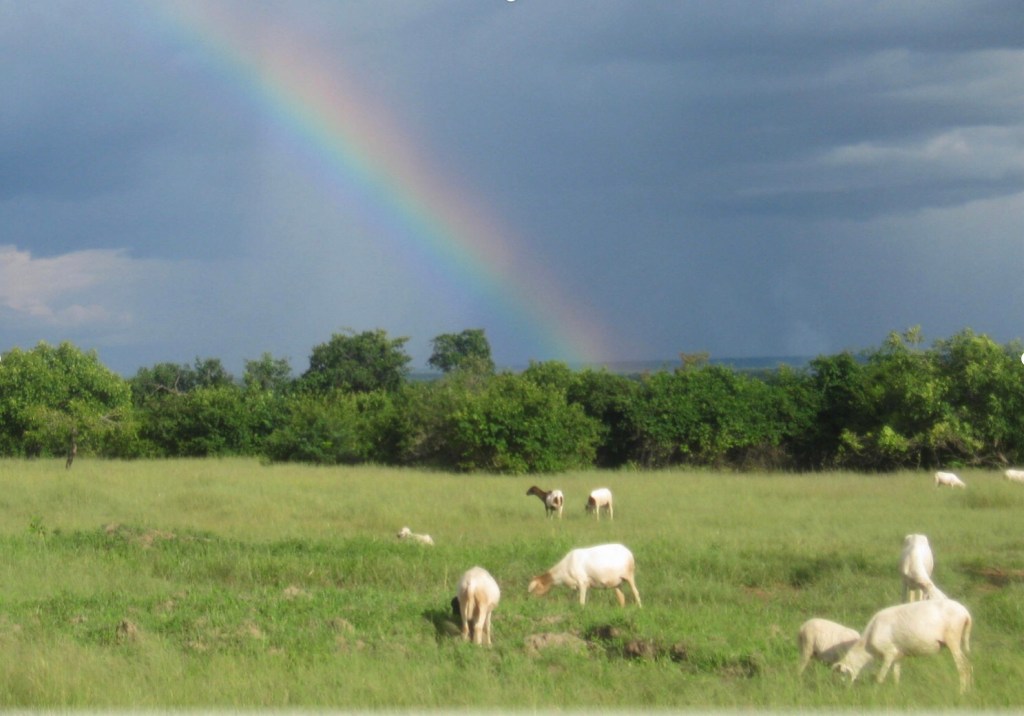
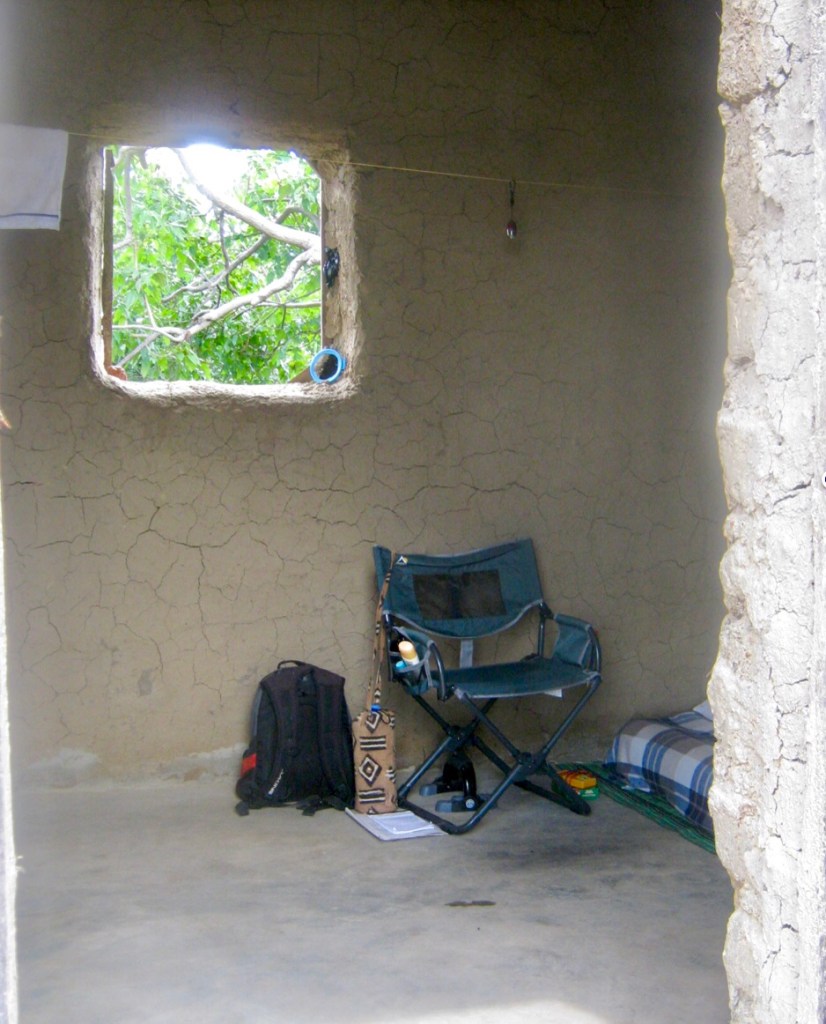
As I begin to write, there is a Fulani shepherd boy sitting just outside my door, enjoying the shade and playing with a small toy, while the flock of sheep he looks after are grazing within view. Hoards of flies are buzzing noisily in and out of my mud-brick room, but thankfully they’re leaving me alone (mostly). The door is propped open to let in the breeze. A screened door or window is not really an option at this point, given the very rough mud-brick and daub construction. I’m just thankful to have a door I can close at night – especially given the fact that one of the herdsmen killed a large cobra two nights ago, just behind my room!
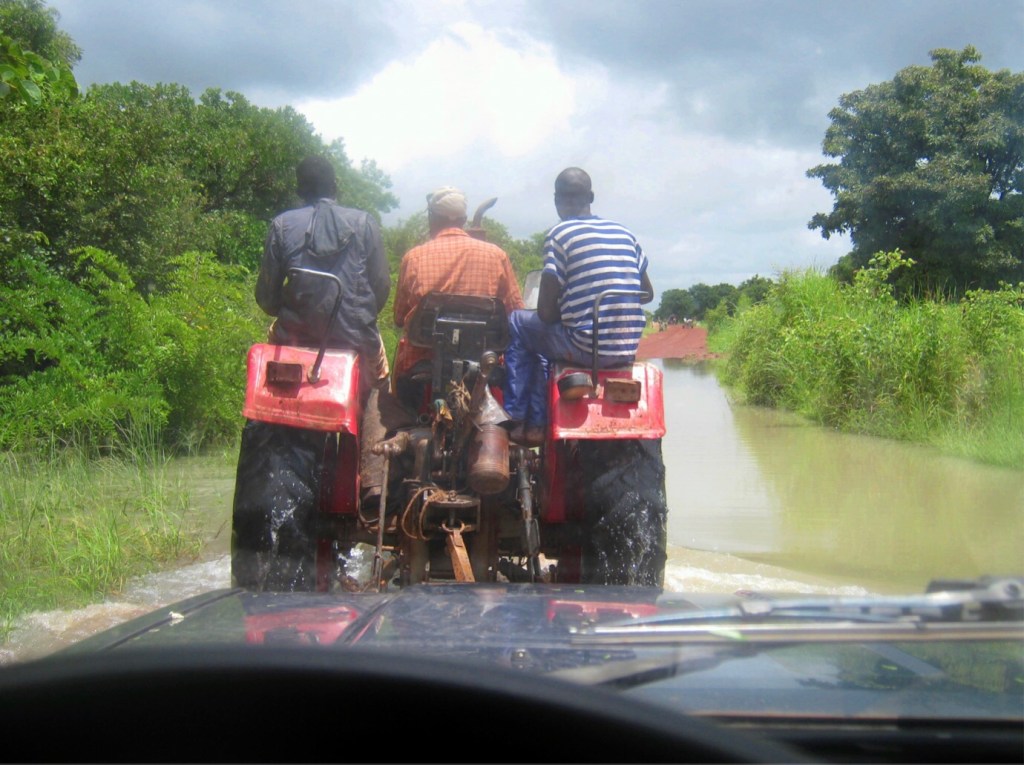
I’ve been back in the village with the team nearly two weeks, and I have to say its been a challenging time so far! Just getting here was difficult and took the better part of two days instead of the usual 6 hours or so. With me were team members Noé, his wife Rebecca and 11 month-old Grace (she really is aptly named – she was smiling and cheerful the entire time). The rains have been extreme with lots of flooding. About 20 miles from Koyala, we came to a severely flooded area that everyone assured us we could never cross, even with the 4-wheel drive. There was an assorted crowd there discussing what to do – people on motorbikes, donkey-carts, and a truck full of merchandise. In the end, we had to turn back, find higher ground and spend the night in the vehicle. Dinner was a watermelon we had bought along the way. It was a sweaty, uncomfortable and mosquito-ridden night, the likes of which I never want to repeat… (ever).
The next morning, my coworker Samuel Sangaré arrived from another village and arranged for a large farm tractor to pull our vehicle across the flooded area (it was a bit unnerving to see water rushing in under the doors!) After crossing, we made the last 20 kilometers or so in driving rain and arrived safe and sound at our little base, to enjoy a hearty lunch. It’s amazing how good simple food tastes when you’ve had next to nothing to eat for a day and half!
Two things we weren’t able to do before the rains came in early June: 1) Dig and enclose a proper toilet. 2) Install a fence or wall around the property to keep the cows, goats and sheep out. No toilet means you have to wander a ways out into the brush and find a leafy clump of trees to do your business. Not nice, but not so bad if you’re well and it’s not 2 a.m. No fence means cow dung all over the place and thick clouds of flies – including some vicious biting flies – harassing man and beast from sun-up to sun-down. Arms and legs become a mass of insect bites. Mine swelled hugely, itched unmercifully, and the bumps turned into sores…
Up to this point I was fine. The toilet will be dug, a fence will eventually be installed, so what’s a little temporary discomfort for the sake of the Gospel? No big deal, right? Right. Until the malaria hit and my attitude turned as sour as my stomach…
You may have noticed that I started writing this letter on September 27. The next morning, I woke up feeling a bit weak, and joined the team for our usual 7 a.m. prayer time. Mid-meeting, I had to bolt from my chair and ended up behind the house, doubled over and retching loudly. A few more minutes and I was burning with fever and aching everywhere – a nice bout of malaria!
As I lay in my room looking at the mud walls, trying to ignore the racket of a gazillion buzzing flies (which kept trying to investigate my nostrils) all while the fever mounted, I was racked with doubts. I wallowed in self-pity; I got really angry. “What am I doing out here!? I must be an idiot. I’m too old for this, where are the young men who should be doing this? I hate this place – I’m getting out and I don’t ever want to see it again! There’s got to be someone else who can do it….”
The team prayed for my recovery. I just prayed not to barf one moment to the next. Five days later I had just enough strength to drive out with our team leader Sassamba (the floodwaters had gone down enough that we didn’t need a farm tractor to do it.) We spent two days at the home of my coworker Samuel before continuing to home base in Koutiala. He coaxed me to eat, we talked lots of business, I rested – and the Lord spoke to me…
I wasn’t angry anymore, but I was still quietly consoling myself with thoughts of getting out of this business… I awoke in the early hours and decided to pick up where I’d left off reading in John chapter 10. “The hired hand is not the shepherd and does not own the sheep. So when he sees the wolf coming, he abandons the sheep and runs away. Then the wolf attacks the flock and scatters it… I have other sheep not of this sheep pen, I must bring them also.”
I didn’t want to read anymore, but it was too late. I understood perfectly: “No Lord, I don’t want to be a hired hand. No, I’m not going to run away and abandon the team. Yes, I’ll go back… But can we leave it for a few more days until I feel better?”
So what happened? I got better, I took some rest and recovery time, and I went back – over and over again for the next seven years. And it wasn’t the only time I thought about quitting. I find that often, things that are a great privilege, a great opportunity, are also the hard things that challenge our commitment and loyalty. ‘Grit’ is the old-fashioned word for taking our courage in hand and continuing to show up when we feel like running away. And when we keep showing up for the people and the mission God has entrusted to us, our capacity to love, to endure, and to trust the One who called us will only increase.
 Know This Love