“How does it feel, how does it feel? To be without a home, like a complete unknown. Like a rolling stone. (Bob Dylan, “Like a Rolling Stone”)
“But the Lord God called to the man, “Where are you?” (Genesis 3:9)
It’s the First Question, posed to the First Man. It’s a question with a thousand nuances, a question that still echoes powerfully in the air around us and probes deep inside of us at certain moments. Every time I read the story of how we became lost, of how humankind began to dis-integrate from the Creator, from one another and even from the land itself that had been their home, I imagine myself in Adam’s place (because I am in Adam’s place). And each time that original question rings out, something in me stands to attention and my heart-strings begin to resonate. It’s an eternally powerful question because we were made for attachment, for belonging, not only to people but also to places in this world. We were made to put down roots, to be ‘at home’ somewhere in the world. Human existence began in a specific place, with the moment that God formed Man ‘from the dust of the ground,’ breathed into his nostrils the breath of life and settled him in a garden that He had designed and built as a home.
This theme of being settled in a place we call home runs all through the Scripture from Genesis to Revelation. To be a restless wanderer was a curse – God’s punishment on Cain for spilling the blood of his brother Abel. The land would no longer give him a home. Salvation for God’s people was to be peacefully settled in the land, ‘each man under his vine and under his fig tree’. God even spoke to His people through the prophet Jeremiah concerning their years of exile in Babylon, to ‘settle down and build homes, seek the peace and welfare of the place to which I send you, for in its welfare you will find your welfare’ (Jer. 29:4-7). This same thread of hope weaves for us the vision of a future, eternal habitation for God’s people. The writer of Hebrews says of the Old Testament heroes, “They were looking for a city with foundations, whose architect and builder is God.” And finally, one of the dearest promises I know for those who have experienced the pain of being uprooted and displaced: “The one who conquers, I will make him a pillar in the temple of my God. Never shall he go out of it, and I will write on him the name of my God, and the name of the city of my God, the new Jerusalem, which comes down from my God out of heaven, and my own new name.”
So… What does all this have to do with you and me? There is no point to writing all of this if it doesn’t have some significance for us. Well, let me tell you a story about a place – two places actually – that have changed me profoundly and irrevocably…
Until my college years, I lived in the same historic New Jersey town where I was born, the same little town where my mother was born (my father grew up in a neighboring town just 5 miles away). We moved once when I was four years old, only from one house to another in that same town. We had roots in that place, but for as long as I could remember, I craved the adventure of the unknown. I always wanted to see what was beyond that fence, beyond the end of that street, beyond my field of vision. As soon as my legs could carry me and I could climb a fence or crawl through a gap, I was off exploring. My mother would think I was playing contentedly in the back yard until she had to answer a knock at the front door. A neighbor or friend who had seen me lurching down Garden Street towards Main on my chubby toddler legs had intercepted me and was now holding me firmly by the hand. This happened more than once. Sorry mom… That wanderlust never left me, and all through my childhood and teenage years I spent lots of time being somewhere else, at least in my thoughts. Roots were boring.
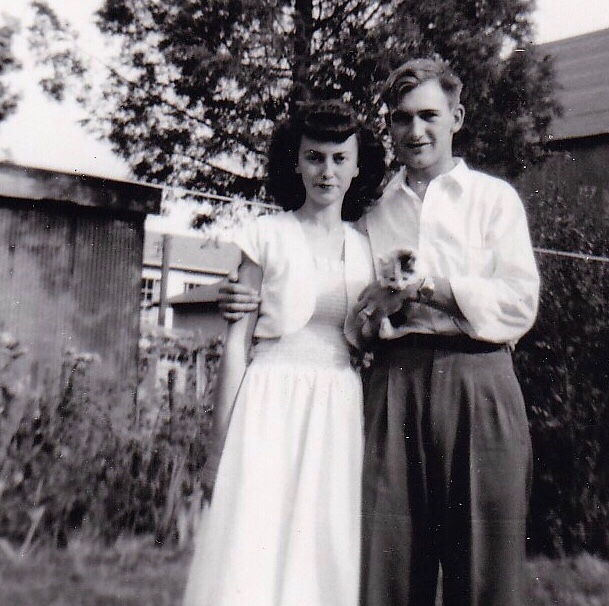
My wife Cindy, on the other hand, grew up as a Navy ‘brat’ (as they like to call themselves). Puerto Rico, Pensacola, San Diego, Okinawa… Several moves on the East Coast. By the time we got married – she was nineteen and I twenty-one – she had moved eighteen times with her parents. Her dream was to marry, put down roots and build a history in one place. No wonder she loved the ‘Little House on the Prairie’ TV series so much. But then she met me.
Those first 5 years of marriage were a series of ‘stopovers’ as I impatiently pushed on to the next thing, the ultimate destination being Zaire (now the Democratic Republic of Congo). This place became our first real home. This is where our little family began to blossom, where we began to grow into our adult selves, where we faced some crazy challenges and came through, where our youngest child was born, where we became ‘Us’ – the Butler family. It was not an easy place to live, but we knew God had called us here and we embraced it wholeheartedly: the culture, the community, the language, the land itself. We developed deep friendships. This is where my teaching and preaching skills were honed, in a language other than English. The founder of our church network nicknamed me ‘Mwana Mboka’ which means ‘child of the village’ or ‘native-born.’ Eventually, more people knew me by that name than by my proper name. That’s how thoroughly identified I became with this place. Our life was there and we loved it; this is where we belonged. Finally, we had put down roots and we were bearing fruit.
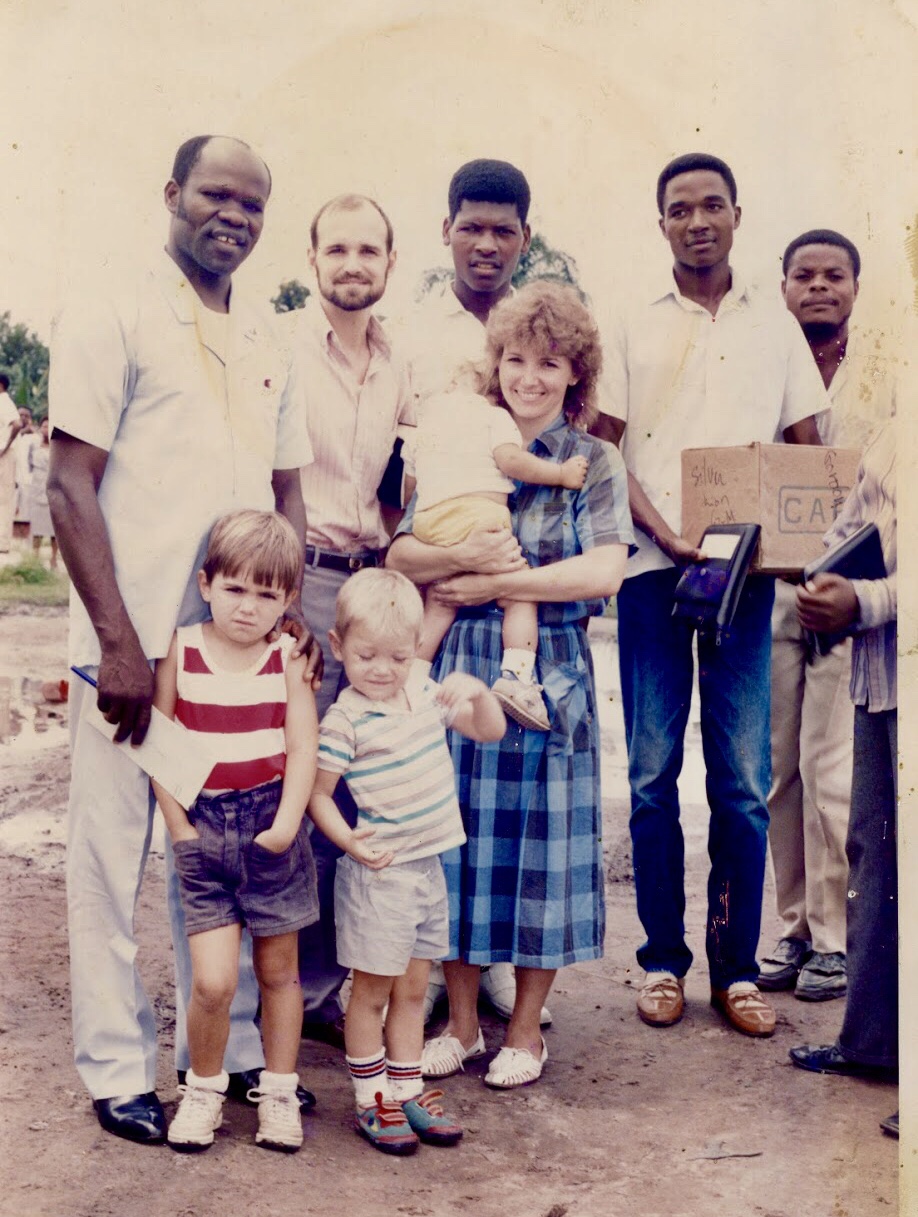
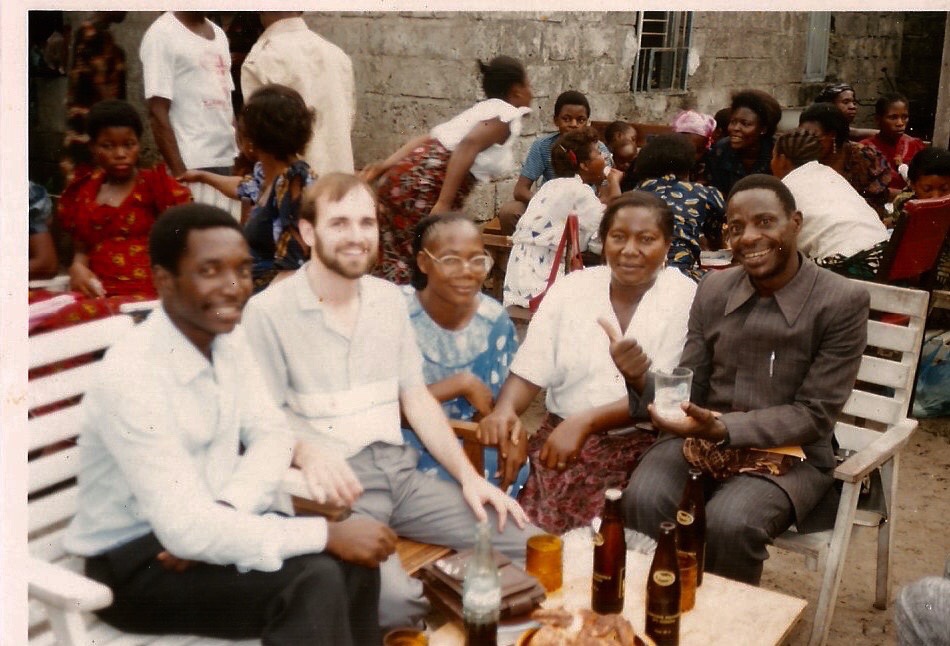
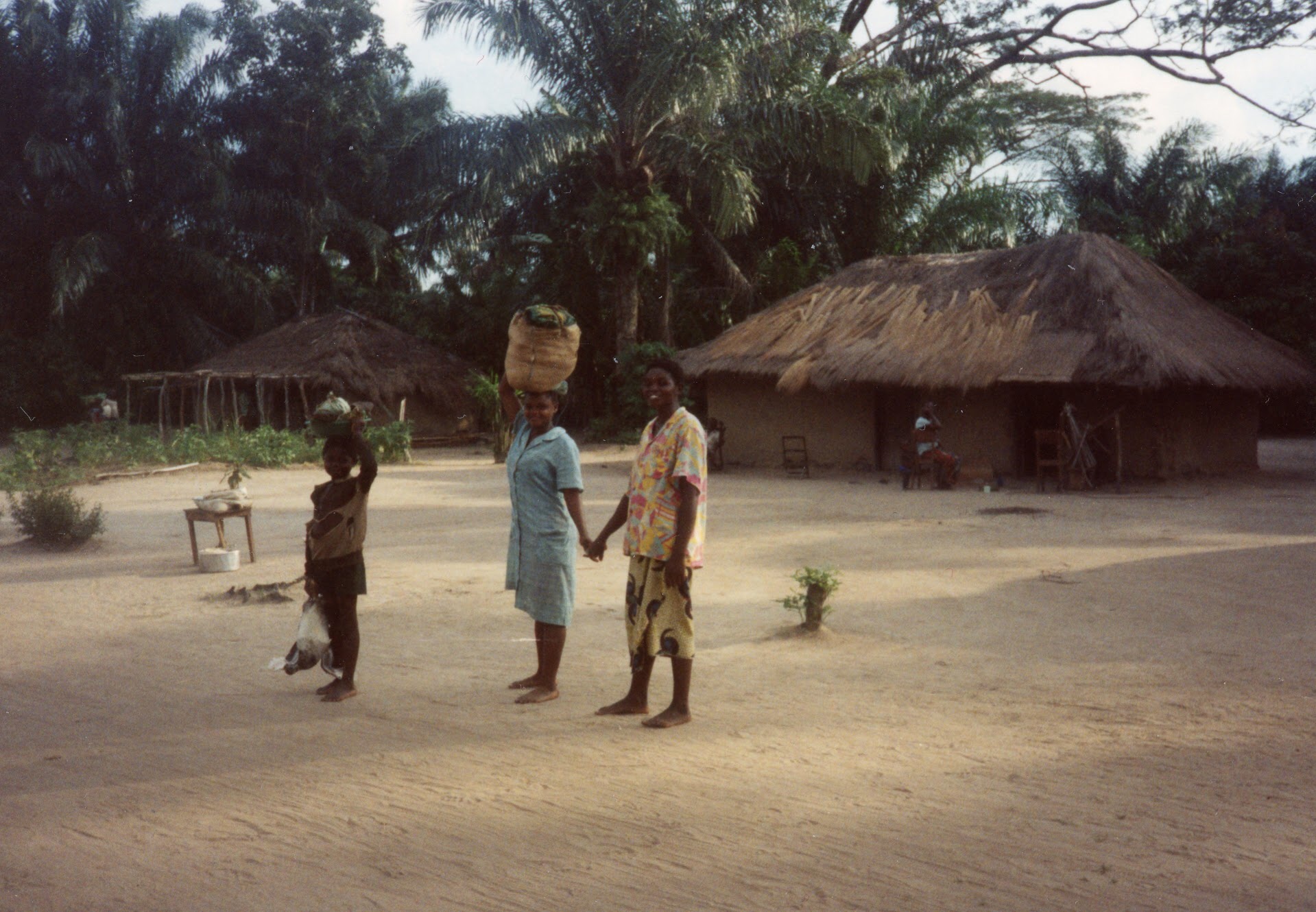
We never realized how much our lives had been shaped by this place – until we had to leave it. Why and how we had to leave is a story for another day. I’ll just say it involved military on a rampage, lots of gunfire, looting and general mayhem – not once but twice, because the first time wasn’t enough to convince me that our time there was done, and I didn’t know what else to do but go back and try to pick up the pieces. To my confusion and dismay, the pieces could never be put back together as they had been, and our lives would never be the same. In the spring of 1993, we ended up back in America, and at the invitation of close friends we settled in a Baltimore suburb.
I didn’t care where we lived. One place was as good as another since I was not staying in America anyway. This had to be just a stopover (oh pleeease God!). I was angry. My life had been hastily dismantled and it seemed like a lot of the pieces were missing. What was the point of trying to put it back together here, to put down roots in this new place? I connected with a Congolese congregation near Washington, DC, in an effort to hang on to my missionary identity, and to avoid facing – much less embracing – the fact that we now lived in Pasadena, Maryland. Being uprooted and transplanted in such a traumatic, unexpected way was exceedingly painful for our whole family. I made it worse by refusing to reckon with reality, by refusing to be present and to even get acquainted with this new place or to invest anything in it. At night I would have vivid dreams that I was in Zaire, doing my thing, preaching, teaching, doing seminars in remote villages. Then I’d wake up with Lingala words still on my tongue and reality would hit me – I was in cold, gray America…
But thankfully there were our friends, patiently loving us and putting up with my miserable, unwilling attitude. And there was the sweet congregation they pastored, hugging us, telling us how happy they were that we were among them, and saying irritating but endearing things like “We hope the Lord keeps you here with us for a while.” They got their wish. Eventually I realized that all my pouting and raging was not going to change anything, and that maybe God had another plan – an unthinkable plan – to plant us right there in Maryland! I didn’t want to change or be changed, but maybe some more change in my life was necessary. Maybe I hadn’t arrived at the pinnacle of maturity at 35 years of age…
A grossly overlooked reality of spiritual growth is that God not only uses his Word, His Spirit, and interactions with other people to transform us. He also uses all those unique aspects of the places where we live: the local culture, the geography, the climate, the demographics – everything that makes your particular place what it is. If we believe that God is sovereign and that He is actively working all things together for our good, namely to shape our lives to be more like Christ, then that must include where, as well as the who and why of our surroundings. So we must learn to accept and even appreciate those things. God had some special things to teach me and to build into my character in this new place. I gave in by degrees. “Okay, we’ll be here a year and then see what’s next. Alright, two years, but that’s it!” At the end of two years, I realized that the Lord intended us to stay right there, in that place with those people, for the foreseeable future. And finally I embraced it! (Cindy had been patiently waiting for me to catch up and get with the program).
I began to give myself to the Lord in an unreserved way in this new place. In short order I became associate pastor of our congregation, and a year after that, lead pastor. We bought a house (that was a miracle!) I planted trees and gardens, Cindy sewed and crafted, and we opened our doors wide. Hospitality became the norm, and not only for dinners and impromptu gatherings – we had several different young people share our home for various periods of time. Once again as we put down roots, we also began to bear fruit and life became good again! After such a difficult transplantation, it was wonderful to see each member of our family blossom and grow in new ways. It would be difficult to enumerate all the ways in which we were changed for the better, all the things we learned and about loving God and caring for people. But it didn’t start until I became fully present, until I said yes – not only to the who and the what, but to the where.
And here is the point I want to make and the concern that I have for many of us. In order to be truly fruitful – to experience the full potential of receiving blessing and transmitting blessing to the world around us – we must give ourselves wholeheartedly to the Lord, not simply in some vague ‘spiritual’ way that is intangible, but also by investing ourselves in active, practical ways in the neighborhoods and communities where we live. Our lives must become visible and accessible to those around us.
There are so many realities of our modern world that mitigate against this. The obstacles to being fully present in the places where we actually live, with the communities in which God has placed us, are greater than ever. One hundred years ago, investing your life where you lived was obvious because the average person didn’t have all the options we have these days to escape our environs and to be somewhere else. Work was generally close to where one lived, shopping was done locally at the corner store, or on Main Street, and people cultivated relationships with their neighbors because those were the people available. But in the last half-century, bedroom communities which serve as way-stations instead of actual neighborhoods, big box stores and big box churches, have increasingly drawn people into a nomad’s land and away from community – it’s something like spending most of one’s life on layover in an airport terminal but never coming home. I believe it makes our souls sick because we were made for home, for being rooted and connected.
But it’s not only about the need of our own souls, as basic and vital as it is for that need to be met. It’s about our mission to be the ‘Word made Flesh,’ and to bring life to those within our circle of influence. Our increased mobility through affordable air travel and our increased connectivity thanks to the Internet and social media would seem to give us a much broader reach and far greater influence for the Kingdom of God. But I fear that such broad influence is often diluted influence – ‘a mile wide and an inch deep.’ I think we all realize that an inordinate amount of time spent on social media, connecting with people on the other side of the country or the world instead of the people who are right in front of us or maybe just next door, is not a good thing. We know that it is an even worse thing to while away our time at home in front of a TV, filling our hours and minds with empty entertainment. I realize these things can be good tools for communication, for keeping in touch with people who are important to us, and even for relaxation. But when we allow these things to become a prolonged escape from the real places in which we live, that escape can become a trap that keeps us from doing the will of God.
What we may not realize is the magnitude of the opportunity to fulfill our calling, the potentially life-changing, eternal influence we could be having right in our own neighborhoods, that is being thrown away because we can’t put down our phones or ignore those notifications or turn off the TV for a few hours. Because we must always be somewhere else, if not physically, at least mentally, we are missing out on the grace of simply being present. Like Adam and Eve in a garden home that contained every kind of tree that was ‘a delight to the eye and good for food’ – they overlooked them all and became infatuated with the one tree that was out of bounds. I’m so thankful that social media as we know it didn’t exist during our time in Congo or during our first years in Maryland. If it had, I could have easily become a permanent resident of cyberspace.
A common but skewed ‘Christian’ idea, is that since we are just passing through this world and ‘it’s all gonna burn,’ we shouldn’t get too involved – except to make ourselves as comfortable as possible while we settle in to wait. But the ultimate destiny of our world, both the physical creation and humankind, is not destruction but reconciliation and renewal. (See Ephesians 1:10; Rev. 21:1-3). We are called to participate in that hope even now! How can we ever love our neighbors as ourselves, how can we “Go into all the world” if all we want to do is detach from it? Jesus command wasn’t to withdraw from all the world but to go into it, to plant ourselves in it like good seed in a field, like leaven in a lump of dough. I think this appeal from Jeremiah 29 has never been more apropos than it is now:
“Thus says the LORD of hosts, the God of Israel, to all the exiles whom I have sent into exile from Jerusalem to Babylon: Build houses and live in them; plant gardens and eat their produce. Take wives and have sons and daughters; take wives for your sons, and give your daughters in marriage, that they may bear sons and daughters; multiply there, and do not decrease. But seek the welfare of the city where I have sent you into exile, and pray to the LORD on its behalf, for in its welfare you will find your welfare.”
What can we be doing to ‘seek the welfare’ of our communities? The reality is that you are NOT simply living there because it seemed like a good idea, or you got a good deal on a house, or that you moved there because of your job. Our sovereign God has sent you there and has a bigger purpose in view than just giving you a place to eat, sleep and store your stuff. Prayer is a good starting point, but in my experience, prayer usually leads to some kind of practical action. How can you help to make this place a better place? How might you build friendship with the people around you?
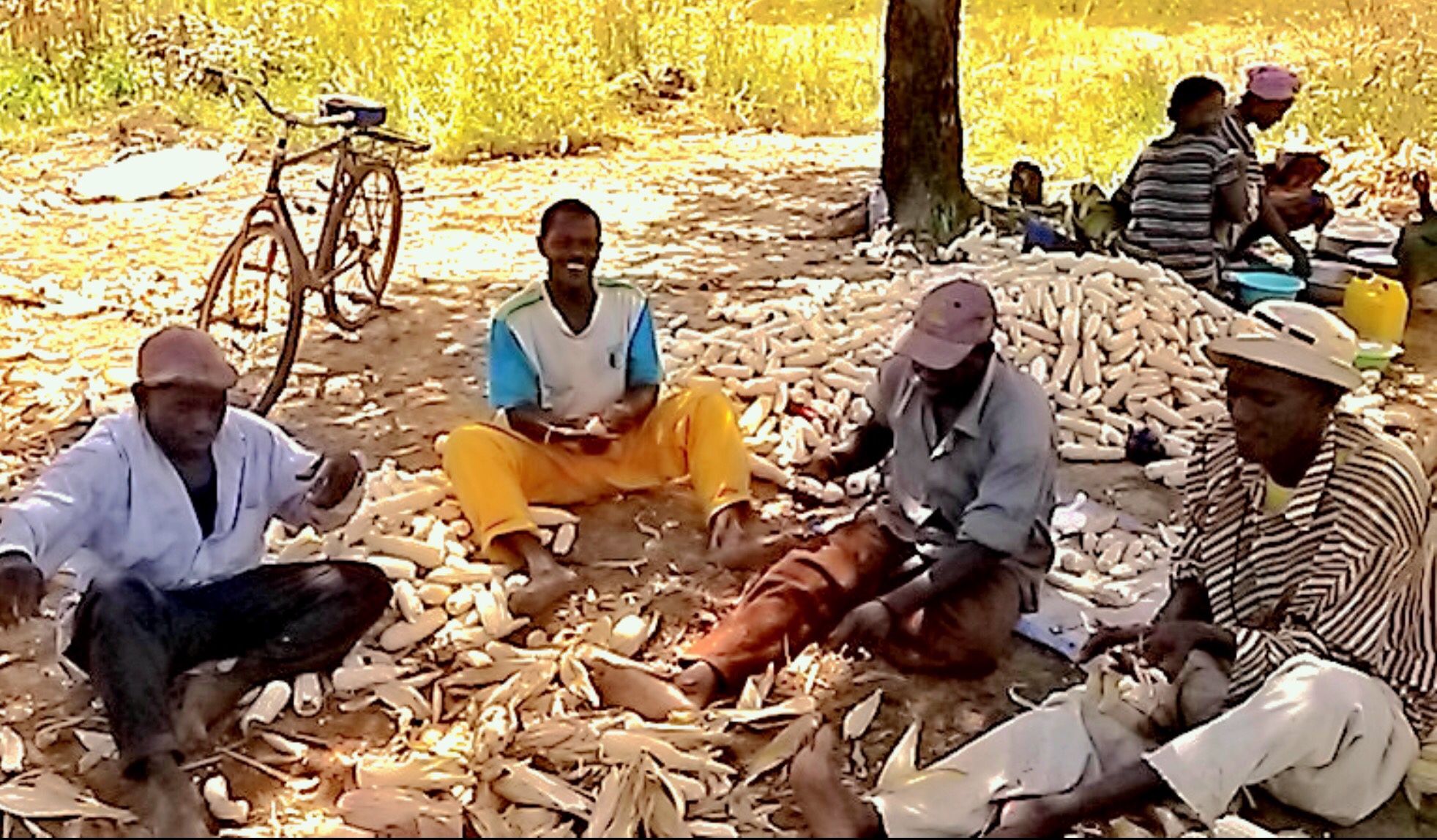
For me, the answers to those questions were simpler when I was pastoring a church less than two miles from my house. But now I spend a good part of each year in Mali, West Africa, spearheading a church planting and evangelism project in an unreached region of 350 or more villages with no churches and no ongoing Gospel witness. Make that 349 villages, because one of them now has a fledgling group of praying, growing believers and a steady witness to the community. At the outset, the Lord impressed on me two passages of Scripture which have become guideposts. They speak of the essentials of God’s presence, our presence, and a commitment to be there – something for which there is no substitute. Maybe these truths can serve to guide and encourage you in your unique corner of the world.
And the Lord said to Moses, “Thus you shall say to the people of Israel: ‘You have seen for yourselves that I have talked with you from heaven.You shall not make gods of silver to be with me, nor shall you make for yourselves gods of gold. An altar of earth you shall make for me and sacrifice on it your burnt offerings and your peace offerings, your sheep and your oxen. In every place where I cause my name to be remembered I will come to you and bless you. (Exodus 20:22-24)
And the Word became flesh and dwelt among us, and we have seen his glory, glory as of the only Son from the Father, full of grace and truth. (John 1:14)
Contained in these two passages of Scripture – one spoken at the inauguration of the Old Covenant, and the other describing the dawn of the New – are two essential principles which guide and give substance to our work in Mali. When I say ‘our work in Mali’ I mean both specific, short term tasks, like drilling wells, planning a children’s outreach, or baking bread, for example. And I’m also talking about our overarching mission: to share the Good News of Jesus in word and deed; to proclaim and to demonstrate God’s Kingdom in visible, tangible ways in the real places where people live, work, dig in the dirt, harvest crops, have wedding feasts and burial ceremonies, all-night dances and market days – those ordinary places where the drama and drudgery of life play out.

In the first passage, God tells his people, “In every place where I cause my name to be remembered (in other words, in every place where people worship Him), I will come to you and bless you.” The principle here is that God comes and meets us in real places, places with dirt or rocks, or whatever features happen to make up the landscape of that particular place. There is no need to import dirt or rocks or the peculiar features of another, more ‘holy’ location into your place to make it legit. No need to import the manners, customs and traditions of other worshipers in other places. Whatever exists in your particular place will do nicely, and an altar made with that dirt or those rocks is all you need. Then God comes and makes it holy, makes that place special by meeting with people there. So that is a guiding principle for us – that we can establish worshipping communities in the villages of rural Mali that are an authentic reflection of those places and communities, rather than a complicated, imported (i.e., foreign) version of the Gospel. KEEP IT SIMPLE! It’s interesting to note in the verse that follows (Exodus 20:25), the Lord insists that if the altar is to be made of stones, they are not even to be carved or ‘improved’, since meeting with God is not about human efforts to impress the Divine. It’s rather the simplicity of grace: We offer what we have where we are, He comes to us, and ordinary places become holy places.
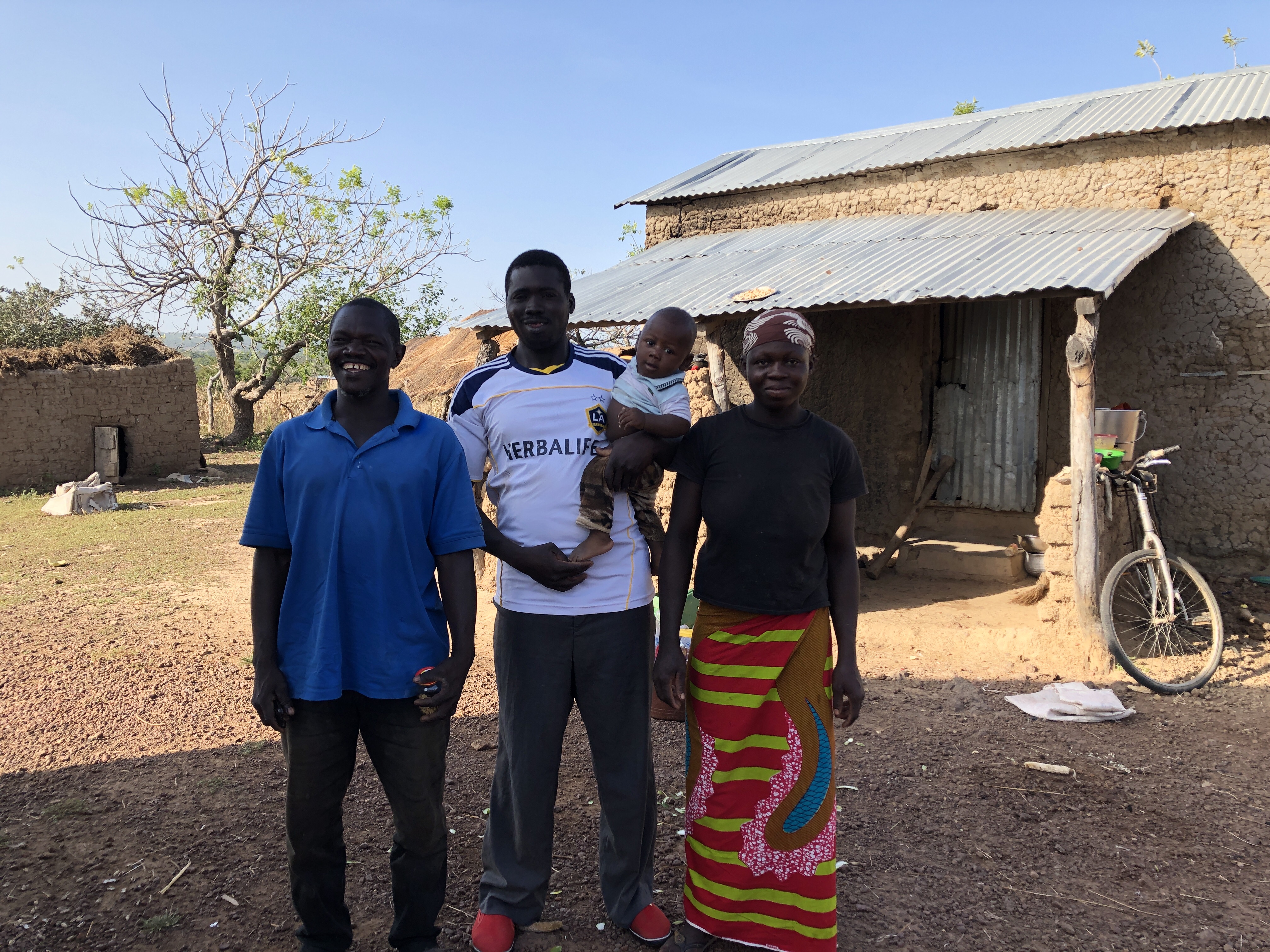
The second guiding principle, taken directly from John 1:14, is stated pretty clearly in the verse itself: “The Word became flesh and lived – or made his home – among us.” The Eternal God who is omnipresent, whom heaven and earth cannot contain, entered time and place. He made a commitment to a specific location. We are used to saying ‘time and space‘, but the word ‘space’ is really too vague. He didn’t simply enter some undefined expanse and float around in it, appearing in random locales and then disappearing just as quickly. No. The Word became flesh – it’s a rather rough, earthy word in New Testament Greek – and lived among a particular people group in a particular nation, in a particular village, and even in a particular family. He became thoroughly identified with that place: Jesus of Nazareth. Omnipresence became manifest, tangible, fully accessible, localized presence. In seeking the Lord as to how to begin in our unreached region of Mali, I felt strongly that rather than ‘hit and run’ evangelism, with teams coming in to do big public events and then disappearing just as quickly, we needed to follow Jesus’ pattern, and establish a visible, tangible, and long-term Christian presence in one of the villages of this region, so people could see what the life of a Jesus-follower looks like over the long haul, instead of just seeing an event or a performance. So that people could begin to experience God’s presence through the daily presence of a few of His followers living humbly among them as part of the community. We needed a few who would make a long-term commitment to live in, and to be a blessing in, that specific place. Thankfully, we found them!
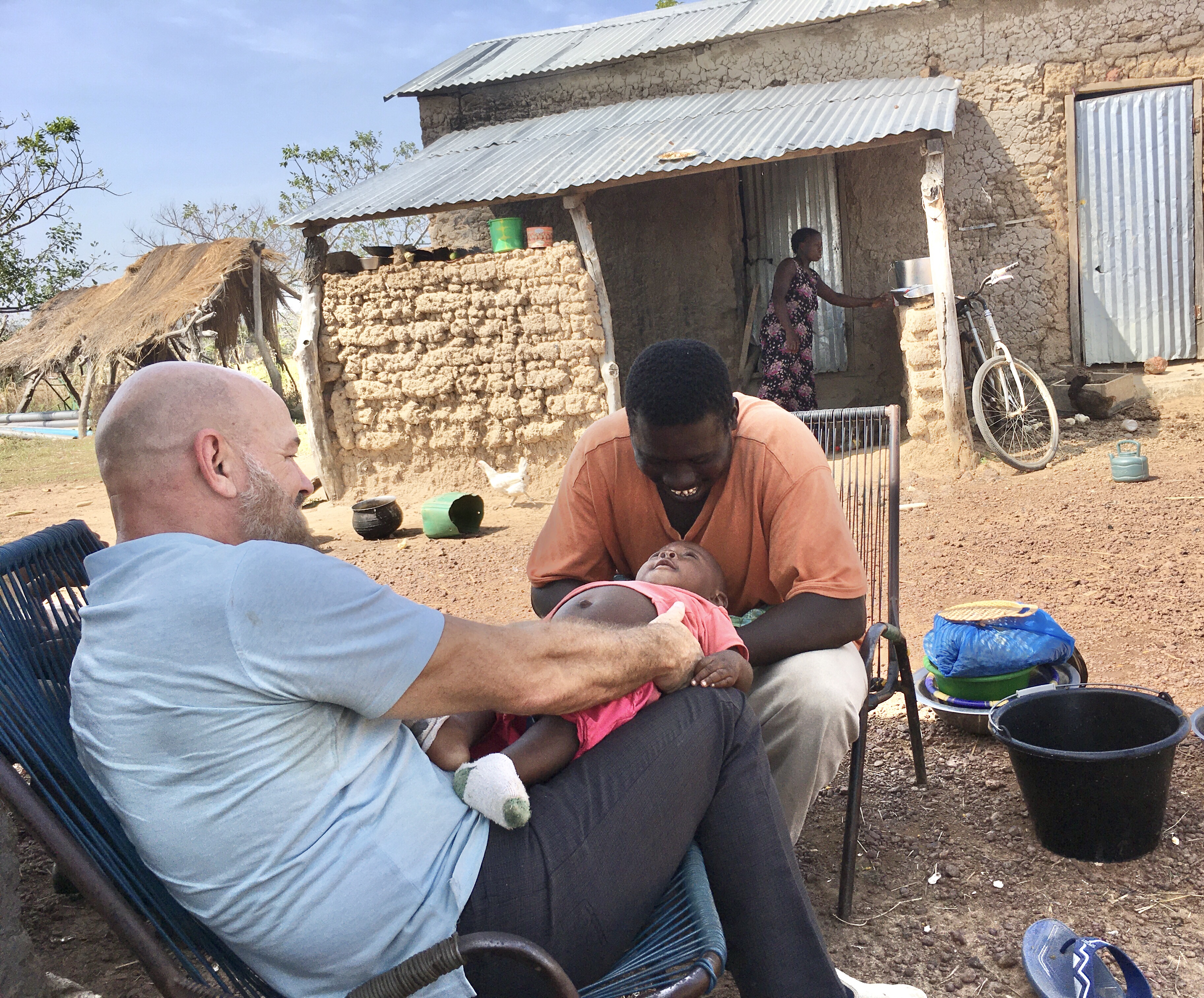
Now, to come back to where you live and sum up:
1) God wants to show up in your neighborhood, workplace or community! He wants to come to you there and bless you so that you can be a blessing. He wants to hallow the everyday ground you walk on. Will you remember His name where you are? Will you make an altar out of your current circumstances, location, surroundings? It doesn’t have to have all the accoutrements of Sunday morning church to be a place of meeting with God, and a place where others can experience Him too. The great commission in Matthew 28:16-20 is not to get as many people as possible into our church buildings, but to GO! And wherever we are, He will be present.
2) Will you identify – as Jesus did – with the specific place where God has positioned you, and with the people who live there? God has already promised to come, to be present in that place. The question is, will you? He was willing to be known as ‘Jesus of Nazareth’ – asbelonging to that place. Or will you treat your community like an airport terminal in which you have no personal investment because you’re just passing through? If you invest, if you start to truly live where you live, the Word becomes flesh once again, and the life of God becomes tangible and accessible because you are present and available.
As you implement these two principles, you’ll have a ready answer to that key question, “Where are you?” “Here I am, Lord. Here I am!” And when you can say that with your whole heart, good things are bound to happen.
 Know This Love